Bold in vision. Leading the human side of AI, robotics, and autonomy.



The Conscious Design Manifesto. Drive, Simplify, Scale, and Intentional






7 Physical + 5 Digital products launched.
Concept and fail fast pilots deployed.
Fluent speaking languages.
Innovation pattents awarded.





TESTIMONIALS



1. What does it mean to design for a "phygital" ecosystem, and how does your background fit this?
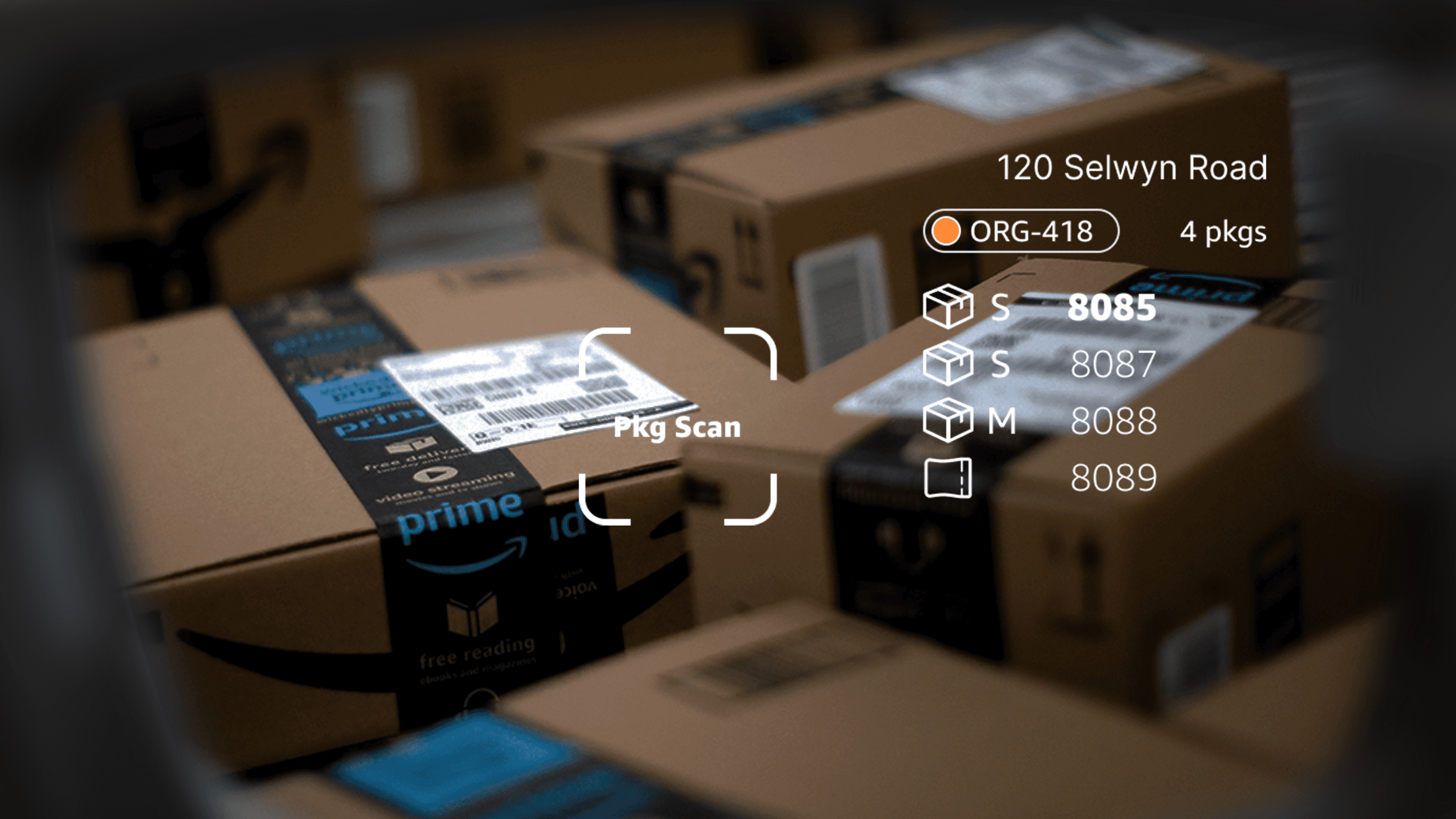
From the customer's point of view, hardware and software are a single, fluid experience. In my work leading the end-to-end UX for the Rivian EDV team with Amazon’s logistics network, the physical vehicle and the digital system worked together to power complex delivery routing, mapping, and seamless vehicle to mobile workflows. You cannot design the digital interface without intimately understanding the physical space, ergonomics, and safety guidance. My focus is on designing the seam between the physical and the digital. I act as an architect, leading teams to deliver one cohesive experience and ruthlessly simplifying complex systems to create frictionless workflows for transporters and fleet partners.
2. You’ve led design for massive, global scale logistics. How does that translate to a fast-moving, autonomous AI innovation?
I have spent a significant part of my time at Amazon architecting long term visions for logistics transport strategy alongside design, product, and engineering leaders, but executing those visions requires a zero-to-one mentality. For example, when "Last 100 Yards" needs delivery more volume with a mix of human and robot delivery, the operational complexity is massive. Because of this, our holistic solutions must be agile and scrappy enough to fail fast in order to validate the team's beliefs. I bring enterprise-grade rigor to problem-solving through strategic pilot deployments, like scaling AI powered wearables system and autonomous fleets. However, I lead the team to execute with the speed and adaptability required to build the future from the ground up, just as I did as a digital product design leader at the EV startup Byton.
3. How do you approach the challenge of building user trust in AI and fully automated agentic systems?
Safety is the baseline; trust is the reliable product experience. In last-mile delivery and automation, trust isn't built through marketing, it is built through absolute transparency and predictable interfaces with human-in-the-loop workflows. If an agentic system is taking an action, the human needs to know why instantly. I focus on proactive, clear communication in the design to demystify the AI, ensuring that sellers, operators, and consumers feel entirely in control of the experience.
4. "Design thinking belongs to everyone." How do you actually scale a design mindset across deeply technical engineering and logistics operations teams?
For me, Design Thinking is like an operating system, not a department. I partner directly with tech, product, design, and operations leaders from day one. I push designers to ensure their design is intentional, not just stylistic. By bringing engineers into the user's reality, we stop debating technical specs and start solving real-world pain points together. By syncing deeply with product owners, feature requirements evolve organically as research insights reveal new opportunities. Everyone owns the responsibility of improving the users/customer's everyday reality, whether they are writing code, designing screens and physical dials, or engineering the physical open-box experience.
5. What is your philosophy on measuring the success of a design team?
Success is a multi-player game. I do not measure success by localized UI metrics or isolated technical outputs; I measure our worth by the durable E2E experience outcomes we deliver. When we launched the Rivian EDV program, success wasn't just about a beautiful screen or rapid processing speeds. It was about achieving exceptionally high driver satisfaction scores 4.5/5 at launch, lowering physical and digital cognitive load, and driving measurable operational efficiency. We evaluate the structured experience and its holistic impact on the user, product, and business, not the silo.
6. Logistics products and services complexity span consumers, merchants, and internal operators. How do you lead a team managing such fragmented user bases?
You have to own the whole journey, from Cloud to Curb and Bits to Atoms. Whether it’s the merchant fulfilling an order, the transport operator clearing a mission, or the end consumer receiving a package, the underlying service blueprint must be unified. Mapping out the end-to-end service journey first, ensuring that handoffs between automated systems and human operators are smooth, that graceful degradation is seamlessly built across devices and in error cases, and that the system's complexity remains entirely invisible to the end user.
7. What is your leadership and mentorship style for multi-disciplinary Design and Research teams?
I amplify by default. Great ideas don't scale in silos. As a leader, I orchestrate the unique strengths of researchers, industrial designers, and digital product designers, fostering an environment where we challenge and build collectively. My mandate is work with my peers to clear roadblocks, set a rigorous standard of conscious design excellence, and empower my team to do the greatest work of their lives. Especially as AI fundamentally transforms design workflows, re-evaluate and up-value the team. Research needs to reposition to deliver high strategic insights for the organization and Designer / Product / Engineer co-create solutions that answers to strategic insights. AI is reshaping how our outputs are truly impactful to customers and business.